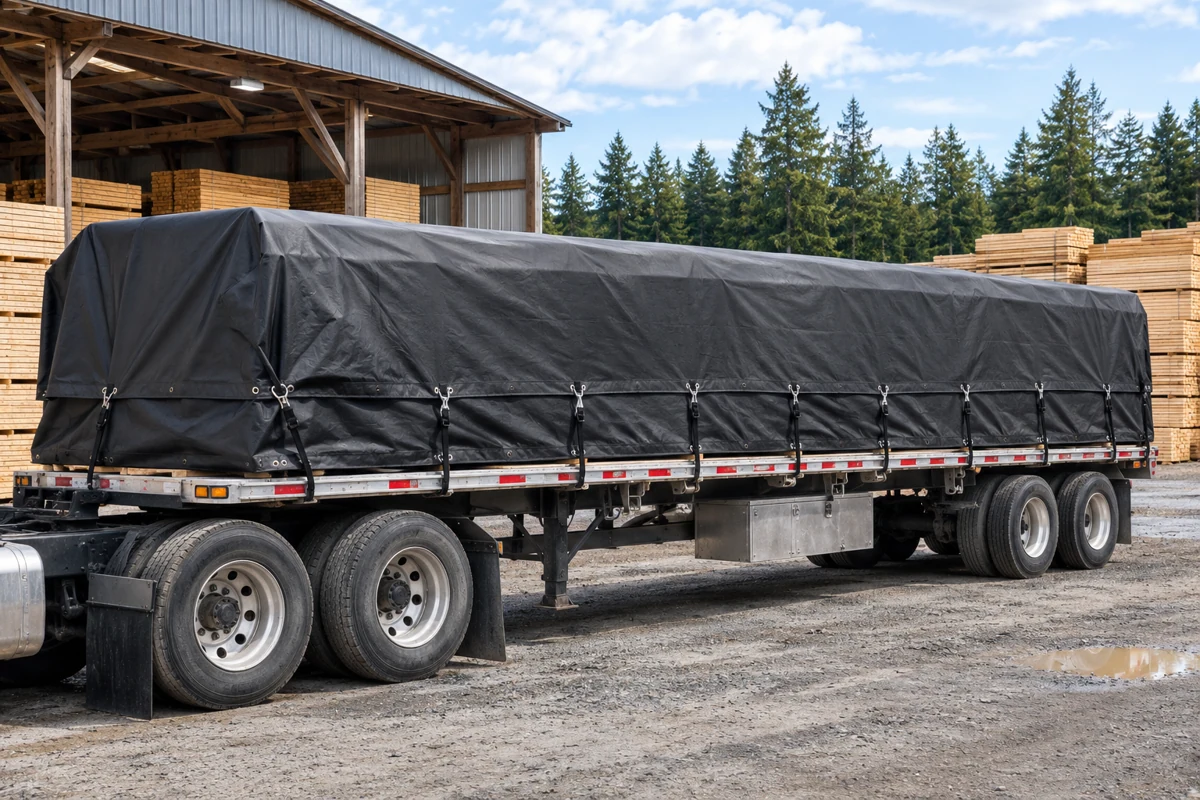
Load shape & contact points
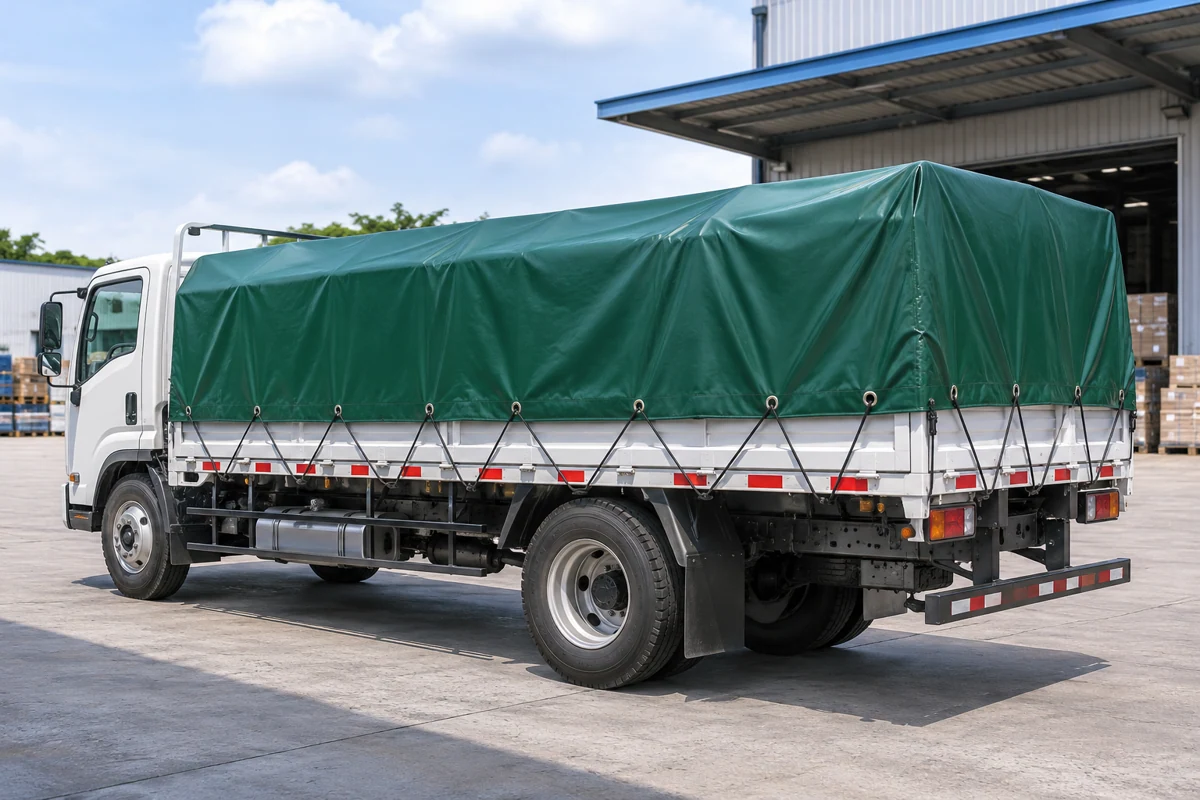
Measure the loaded envelope, cover supports and the locations where corners or fittings touch the fabric.
Covering systems for open containers and container-based storage areas, with the cover matched to the supporting structure.
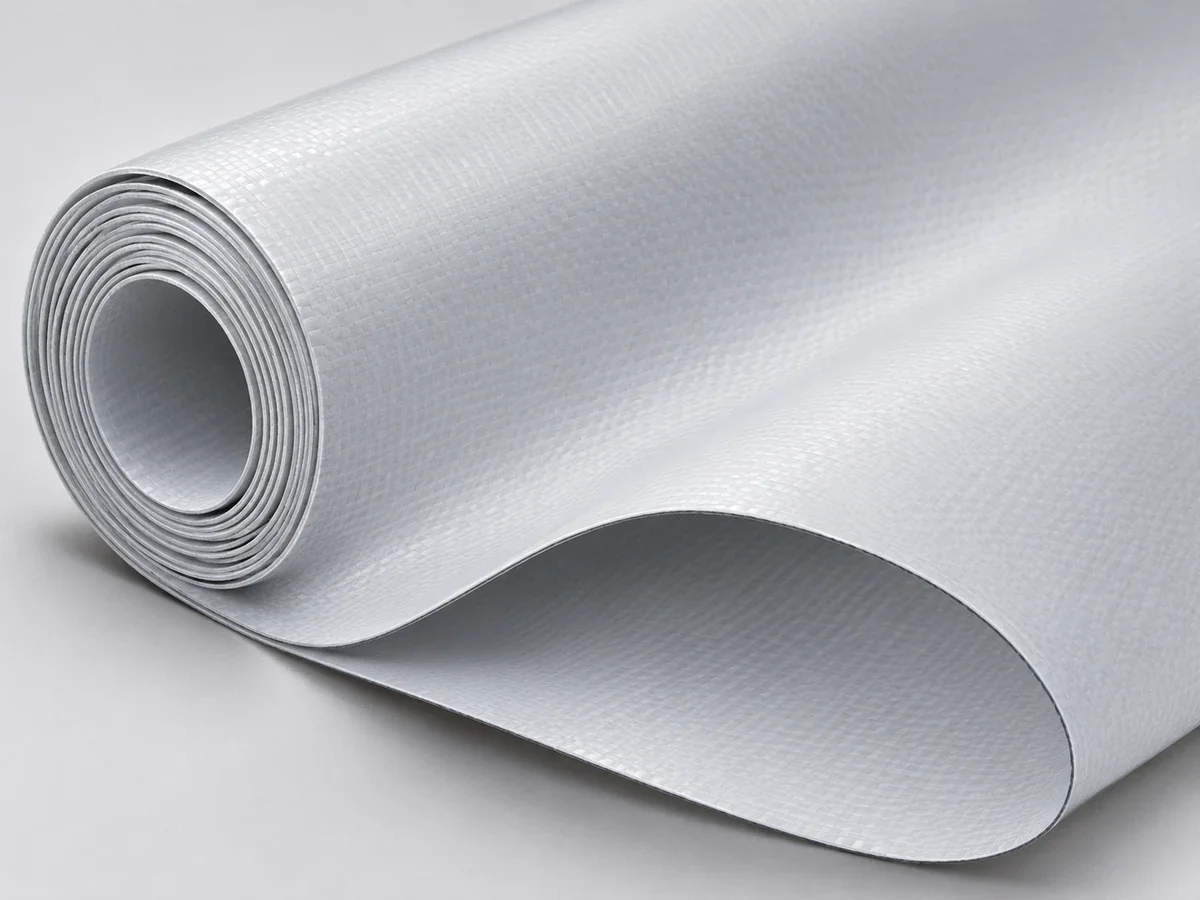
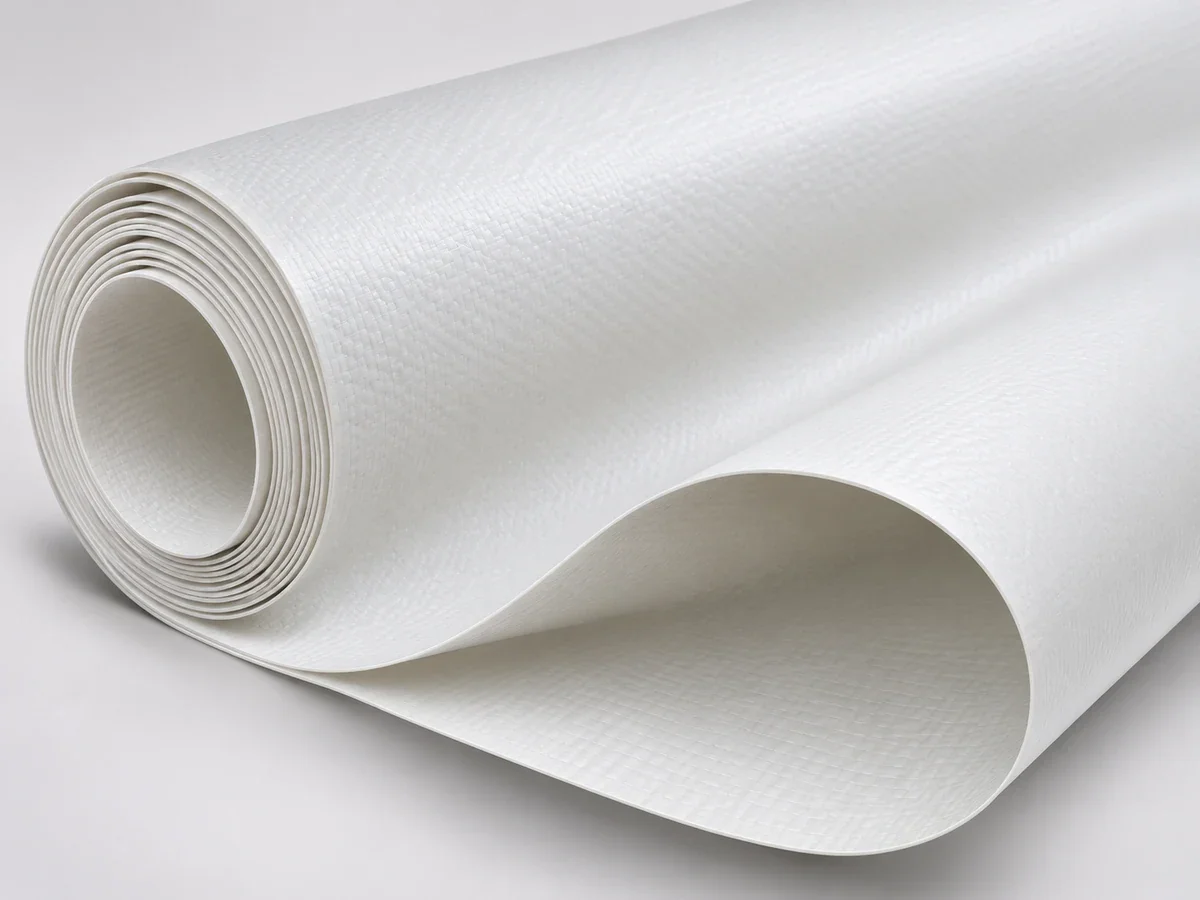
Coated tarpaulin or tent fabric selected for the structure and drainage arrangement.
Covering systems for open containers and container-based storage areas, with the cover matched to the supporting structure. Coated tarpaulin or tent fabric selected for the structure and drainage arrangement.
Measure the loaded envelope, cover supports and the locations where corners or fittings touch the fabric.
Compare coated constructions, base-fabric reinforcement and the wear caused by frequent folding, opening or removal.
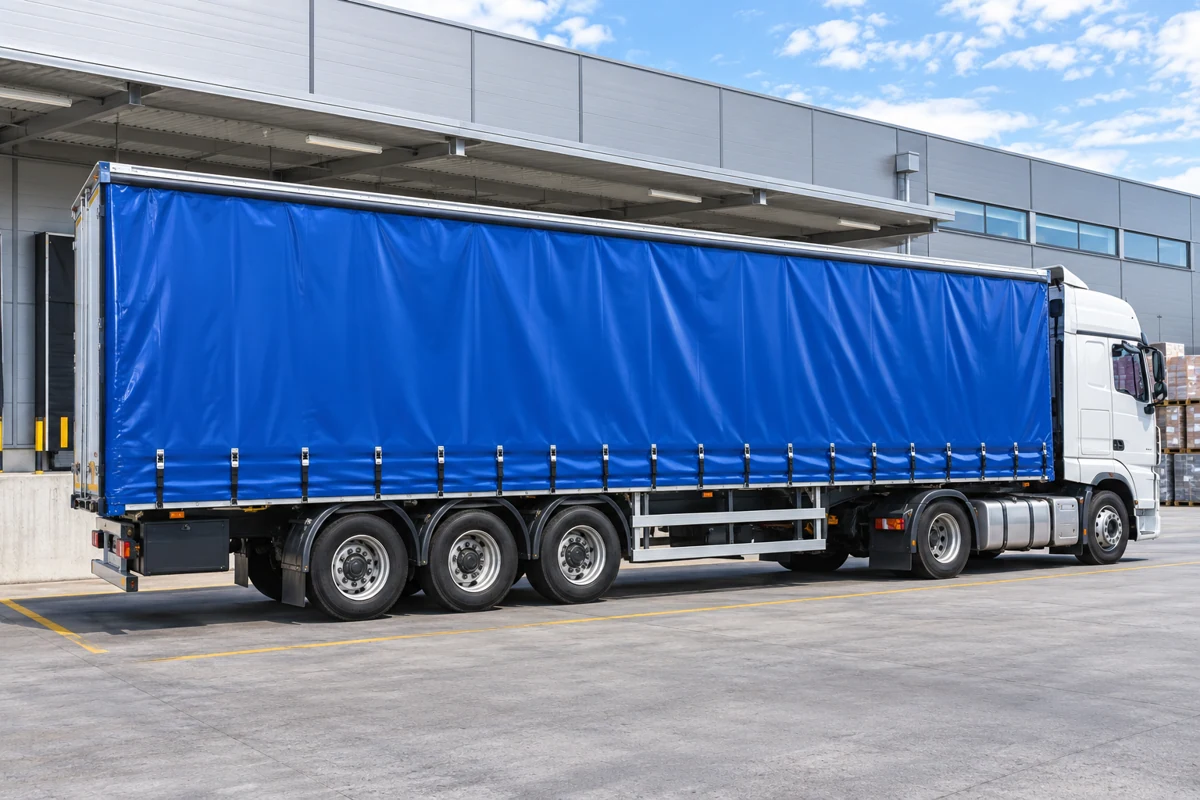
Plan eyelets, straps or curtain hardware with the fabricator. Specify printable surfaces only where graphics are required.
Compare these catalogue constructions as material candidates. Confirm the finished application, fabrication method and required test criteria before selecting a grade.
| Material | Weight / thickness | Yarn / construction | Weave / liner | Widths / dimensions | Finish / process |
|---|---|---|---|---|---|
| 750gsm PVC Coated Tarpaulin – Blockout Tent ↗ | 750gsm | 1000 × 1000D | 20 × 20 threads/inch | 1–5.1m | PVC coating |
| 1050gsm Knife Coated Tarpaulin – Tensile Membrane ↗ | 1050gsm | 1300 × 1300D | 30 × 34 threads/inch | 1–5.1m | Knife-coated PVC |
Agree a cutting layout that allows for hems, overlaps and the required finished dimensions.
Make representative seam and reinforcement samples using the selected grade and the fabricator’s joining equipment.
Trial-fit the cover, check support and fastening positions, and address local rubbing before producing the full set.